Sober Living vs Halfway Houses in Nashville, TN: Which Is Better For Your Recovery?
The journey of recovery is rarely a straight line. For many individuals transitioning out of residential treatment or detox, the most critical phase of the journey begins the moment they step back into the world. In Nashville, Tennessee: a city renowned for its vibrant culture and growing recovery community: navigating the options for post-treatment housing can be overwhelming. Two terms often used interchangeably, yet representing vastly different experiences, are "sober living" and "halfway houses."
Choosing the right environment is more than a matter of convenience; it is a fundamental decision that impacts the long-term success of one’s sobriety. Understanding the nuances in structure, environment, and healing approach is essential for anyone looking to build a foundation that lasts.
Defining the Foundation: What is a Halfway House?
Historically, the term "halfway house" referred to a transitional living facility designed for individuals returning from the correctional system or state-funded psychiatric hospitals. These residences are often government-funded or subsidized, acting as a bridge between incarceration or intensive institutionalization and independent living.
In the context of addiction recovery, halfway houses in Nashville typically feature a more clinical and administrative atmosphere. They are frequently mandated by the court system or as a condition of parole. Because they are often tied to state or federal funding, the structure is rigid, focusing heavily on legal compliance, basic reintegration, and professional supervision. While they provide a necessary safety net for those with limited financial resources or legal mandates, they may lack the personalized, communal warmth required for deep emotional healing.
The Evolution of Recovery: What is Sober Living?
Sober living homes represent an evolution in the continuum of care. Unlike halfway houses, sober living residences are typically privately funded and operate on a voluntary basis. These homes are designed for individuals who have already completed a primary treatment program and are seeking a supportive, substance-free environment to practice the life skills they learned in rehab.
At Winston Place, we view sober living not merely as a place to sleep, but as a transformative community. The focus shifts from "legal compliance" to "lifestyle design." Residents in a sober living environment are usually employed or pursuing education, and they participate in a peer-led culture of accountability. The rules: such as curfews, mandatory house meetings, and random drug screenings: are not designed as punitive measures but as guardsticks to ensure the safety and progress of every member of the household.
Structural Differences and Level of Supervision
One of the primary distinctions between these two models lies in the staffing and supervision structure. Halfway houses are generally staffed by professional case managers or social workers whose primary role is to monitor compliance and report to outside agencies. The relationship is often hierarchical and administrative.
Conversely, sober living homes in Nashville often utilize a peer-support model or a resident manager system. According to the National Alliance for Recovery Residences (NARR), sober living facilities are categorized into levels. Winston Place operates as a Level 2 recovery residence, which offers a higher standard of structure than a standard peer-run house but avoids the institutional feel of a Level 4 clinical facility.
In a Level 2 environment, there is an emphasis on:
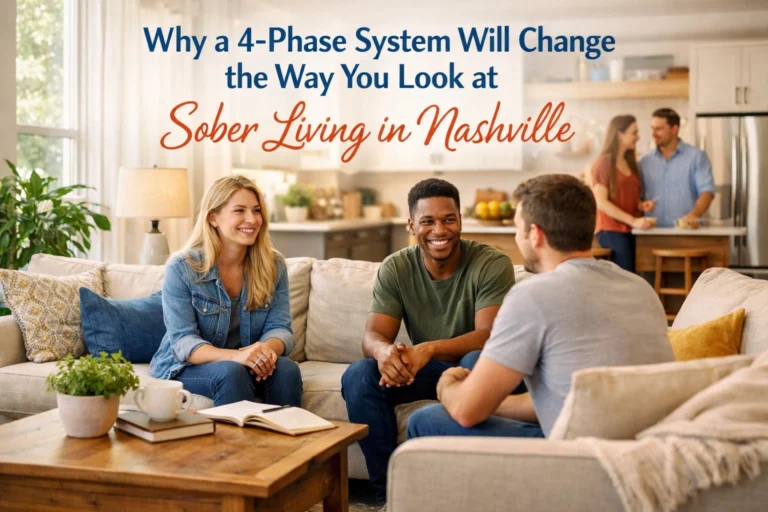
- Peer-Driven Accountability: Residents hold each other to a high standard, fostering a sense of brotherhood and shared responsibility.
- Structured Freedom: While there are clear boundaries, residents are encouraged to reintegrate into the Nashville community, finding a balance between work, recovery, and social life.
- Holistic Oversight: House managers focus on the resident’s overall well-being, including emotional health, spiritual growth, and professional development.
The Environment: Institutional vs. Upscale Community
The physical environment of a recovery residence plays a profound role in a person’s psychological state. Many halfway houses are designed for utility and high-capacity living, which can sometimes feel sterile or overcrowded. For a professional or an individual accustomed to a certain quality of life, this institutional setting can inadvertently trigger stress or a sense of stagnation.
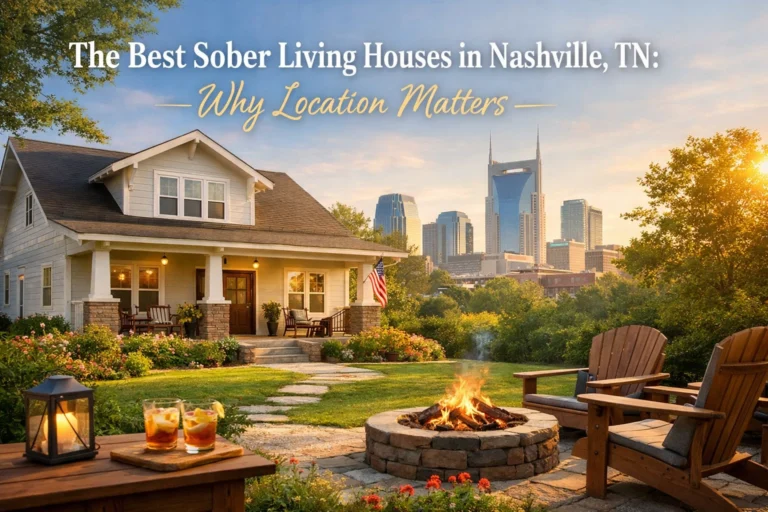
Winston Place offers an upscale alternative. We believe that recovery should be synonymous with a higher quality of life. Our amenities and rooms are designed to provide a sense of dignity and comfort that is often missing from traditional transitional housing. When a resident feels respected by their surroundings, they are more likely to respect themselves and their recovery journey.

By providing a beautiful, well-maintained home, we eliminate the "survival mode" mentality often found in lower-tier halfway houses. This allows residents to focus their energy on the deeper work of recovery: healing relationships, finding purpose, and maintaining a vibrant sober life.
Funding, Cost, and Accessibility
The financial aspect is often a deciding factor for families. Halfway houses are frequently the more affordable option because they receive government subsidies. These are vital resources for those who might otherwise face homelessness.
However, for those who can afford private-pay options, the investment in a high-quality sober living home often pays dividends in long-term success. Private sober living homes generally range from $500 to $2,000 per month in the Nashville area, depending on the level of luxury and services provided. This fee typically covers housing, utilities, and the management of the recovery program. At Winston Place, we prioritize transparency in our services, ensuring that every dollar contributes to a safe, supportive, and growth-oriented environment.
The Healing Approach: Compliance vs. Connection
While halfway houses focus on keeping residents "out of trouble," sober living homes focus on helping residents "into a new life." This distinction in the healing approach is perhaps the most significant.
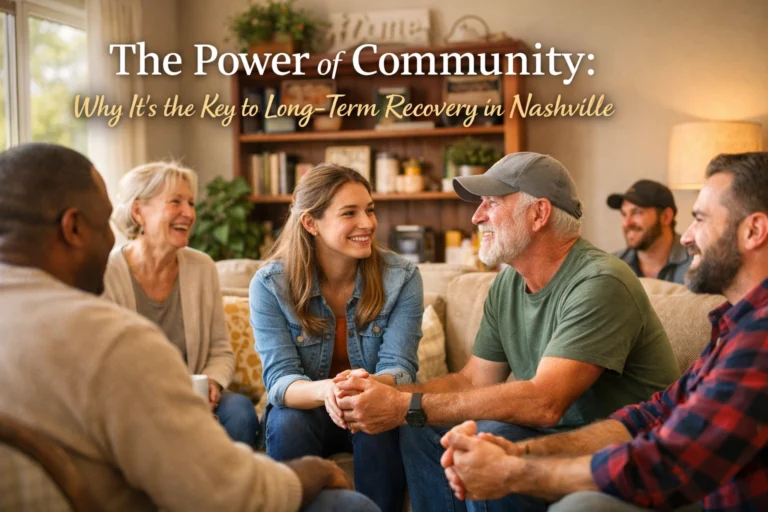
In a halfway house, the goal is often to meet the minimum requirements of a program. In a community-focused residence like Winston Place, the goal is connection. Isolation is the enemy of recovery; therefore, we emphasize the importance of our team and our program in fostering deep, lasting bonds between residents.

Our approach involves:
- Community Engagement: Participating in Nashville’s local recovery events and 12-step meetings.
- Life Skills Development: Learning to manage finances, maintain a household, and navigate social situations without the use of substances.
- Peer Mentorship: Experienced residents guiding newer members through the challenges of early sobriety.
Which Is Better for Your Recovery?
The answer depends entirely on your specific circumstances.
A halfway house may be the better choice if:
- You are court-mandated to a specific state-run facility.
- You require intensive, 24/7 clinical supervision with on-site medical staff.
- You are in financial crisis and need subsidized or free housing.
A sober living home like Winston Place is the better choice if:
- You are voluntarily seeking a supportive community to enhance your recovery.
- You have completed a treatment program and want a gradual transition to independence.
- You value a high-quality, upscale living environment that promotes dignity.
- You want to build a network of peers who are also motivated to succeed in their careers and personal lives.
Choosing Winston Place: A Beacon of Hope in Nashville
At Winston Place, we understand that the transition from treatment to the real world is a delicate time. We have dedicated ourselves to providing a Level 2 recovery residence that combines the structure of a professional program with the warmth and comfort of a high-end home.
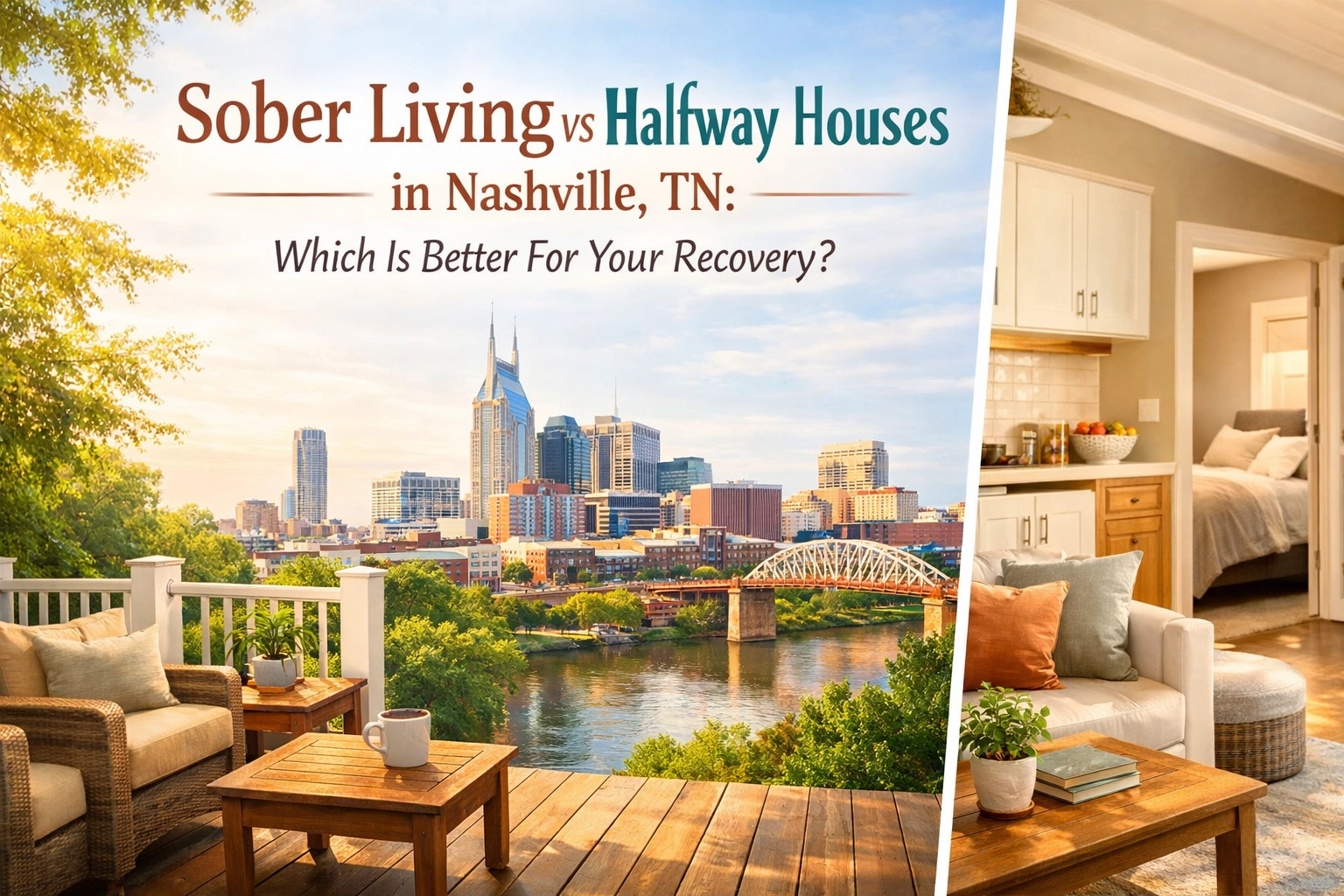
Our history is rooted in the belief that everyone deserves a chance to rebuild their life in an environment that fosters growth and empowerment. We invite you to explore our gallery to see the interior and exterior of our home, which serves as a sanctuary for those committed to their sobriety.
Recovery is not just about staying clean; it is about creating a life you no longer feel the need to escape from. Whether you are a professional looking for a discreet, high-quality environment or a family member seeking the best possible support for a loved one, Winston Place is here to guide you through this transformative process.
If you are ready to take the next step in your recovery journey, we encourage you to contact us today. Our team is ready to answer your questions and help you determine if our community is the right fit for your needs. Join us in Nashville, where your new life begins.